With social media usage at an all-time high and the amount of information being shared astronomical, it’s no surprise that some of the content is bogus. Half of U.S. adults claim that they get their news via social media channels, but not everything that is shared is factual and legitimate. To weed out some of the incorrect information, social media platforms are using artificial intelligence.
This article by Venture Beat talks about using it as a spam filter:
How AI is becoming essential for social media | VentureBeat | Bots | by Eli Israel, Meshfire
The best analogy for the use of artificial intelligence in social media is to think of it like spam filtering for email. We use some of the same techniques to
Image from Pixabayhelp email users find the most important messages and ignore the junk. But we would never have our anti-spam systems write our emails for us or try to tell us what they mean.The same applies in social media: AI will help us find the most valuable, most important interactions to engage in, but humans will have to do all the actual engagement.The final lesson to learn from the analogy with anti-spam tools is that AI for finding and prioritizing social media interactions is now an essential tool for community managers, marketers, and customer service teams.Read the full post here: How AI is becoming essential for social media | VentureBeat | Bots | by Eli Israel, Meshfire

If you haven’t been keeping up with the advances in artificial intelligence, it is getting closer to the original definition of AI in a 1955 proposal by Dartmouth College. (pictured below) According to the video below, the first six aspects have been somewhat mastered, but randomness and creativity is just beginning to be discovered.

This video by Cold Fusion goes into a deeper explanation of AI and where we are at today. The difference between artificial intelligence, machine learning, deep learning are analyzed. I love the nonsensical script that was written using AI at 2:43:
How are the big social platforms using artificial intelligence to help make their product better? This is a brief version of what each is doing:
Facebook: Using it to sort through large databases helps adjust suggestions, news feed filters, figure out trending topics, and tag the appropriate friends in photos.
Google: DeepMind is working on making AI faster, more efficient learning to save operational memory and accomplish tasks more efficiently.
LinkedIn: Using Bright.com to help offer better job-candidate matches for both employers and job seekers.
Pinterest: Using Visual Graph for object recognition to boost Pin and product recommendations,ad performance and relevance prediction, and to detect spam.
This statement in a post by Hootsuite sums up the need for artificial intelligence with social media:
Seen originally on S&S Pro BlogArtificial Intelligence in Social Media: What AI Knows About You, and What You Need to Know
Image from PixabayAlmost every major player in the social media arena has invested internal resources, or established third-party collaborations with teams focused on artificial intelligence. Don’t worry, we’re still quite far from SkyNet, but that last good product recommendation you got online may have been the work of an AI technology. To help you figure out what deep learning really does for major social networks, here’s the skinny on artificial intelligence in social media.Read the original post here: Artificial Intelligence in Social Media: What AI Knows About You, and What You Need to Know


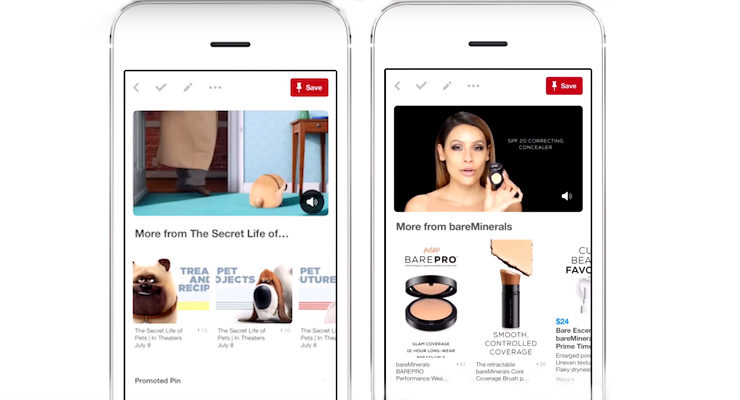 Pinterest has announced the launch a new type of video advertising called Promoted Video Ads. The new ads are designed as another way to help brands drive more sales on Pinterest.